What $1.8bn of Infrastructure Projects Means for Workforce Planning
By Blair Cashin, Client Solutions Manager – Infrastructure & Trades, Enterprise Recruitment
Canterbury’s Construction Sector Is Growing — What’s Driving Demand?
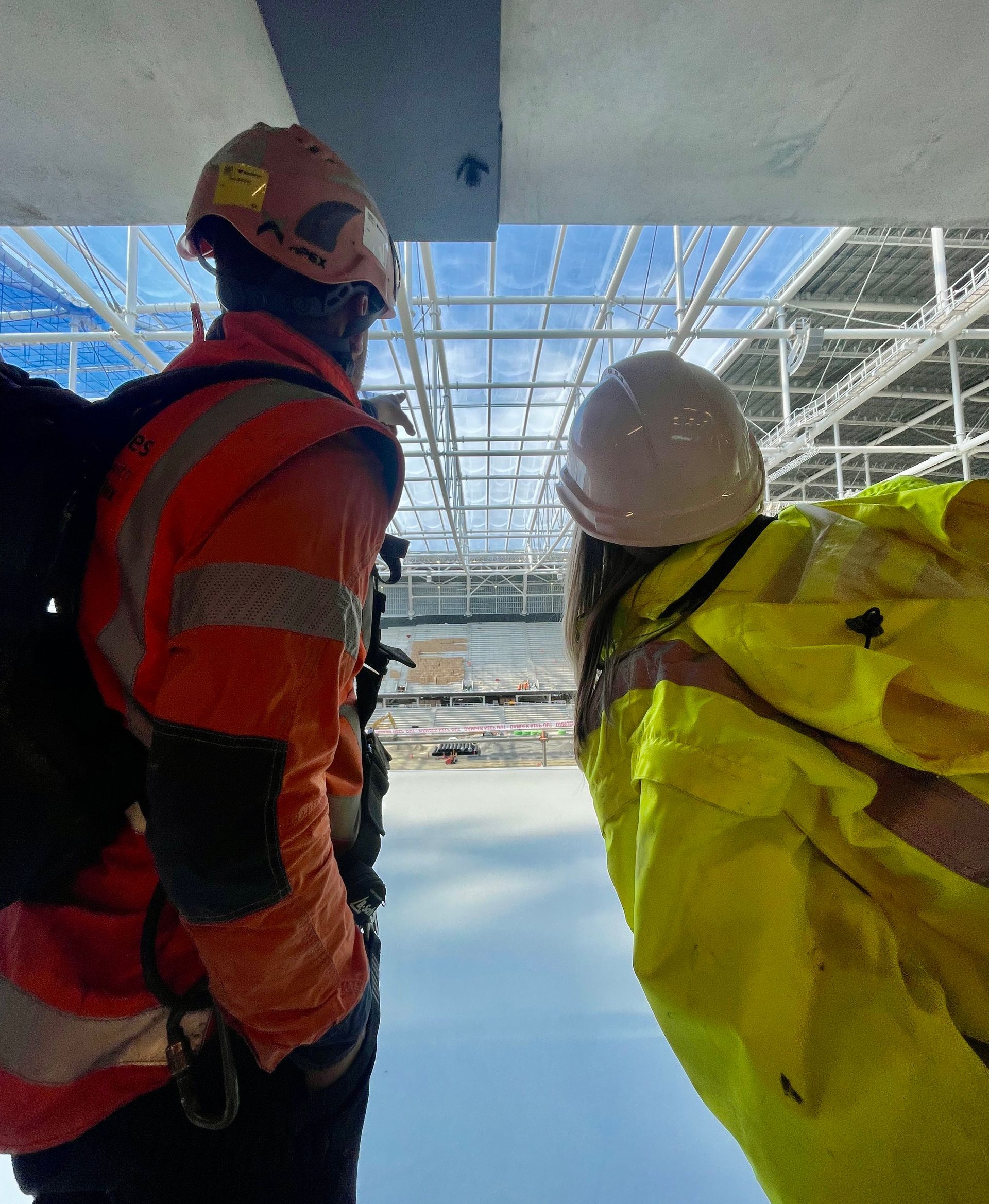
Canterbury's construction sector is moving again, and the numbers back it up. Te Kaha Stadium ($683m) opened in the city centre this year. The Christchurch Northern Corridor/Woodend bypass motorway ($800m–$1bn) is likely to be moving into main construction. Kōwhai Park, a $273m, 300,000-panel solar farm at Christchurch Airport, has its first phase live. Add multi-year water infrastructure delivery underway across the city, and building consents up 30% year-on-year — the strongest of any region in the country.
For businesses operating in this space, the challenge isn't finding people. It's understanding where the demand is actually coming from, how long it will last, and what workforce model fits each project.
How Different Infrastructure Projects Require Different Workforce Strategies
Woodend's likely move into main construction soon creates near-term demand across earthworks, drainage, civil labour, machine operators and traffic management. This type of work is usually tied to a defined project timeline. Canterbury's water infrastructure programme is a different shape entirely: multi-year and ongoing, which supports permanent hires working alongside temporary placements — not just short-term surge capacity. This matters because different infrastructure projects require different workforce strategies. A business that hires the same way for both risks being overcommitted when short-term work ends, or under-resourced when long-term programmes require continuity.
Construction Jobs in Canterbury: Where Demand Is Right Now
In the conversations I'm having with contractors across Canterbury right now, it always comes back to the same thing: flexibility.
The demand is real, but Woodend and the water programme need genuinely different workforce strategies. Getting that wrong either way costs you — either in overcommitted headcount or scrambling when the next project ramps up.
Redeploying Construction Workers as Projects Transition
With Te Kaha now complete, the experienced workers who built it are freed up right as Woodend is likely to begin.
This creates an opportunity to redeploy skilled workers already in the region into the next phase of infrastructure work, rather than treating each project as a completely new recruitment cycle.
What Is the Future Outlook for Canterbury’s Construction Industry?
Current activity is strong, but MBIE's longer-range forecast has Canterbury residential activity easing back from 2026 as the rebuild-era boom normalises.
Busy now doesn’t necessarily mean busy forever. Businesses that are thinking ahead — understanding when they'll need extra support, what skills they'll need, and how they'll retain good people — are the ones putting themselves in the strongest position.
Construction Workforce Planning in Canterbury: Temporary vs Permanent Hiring
The key to effective workforce planning in Canterbury’s construction sector is aligning hiring decisions with the type and duration of work.
Short-term infrastructure projects often require flexible, temporary labour, while long-term programmes benefit from a mix of permanent staff and ongoing contractor support.
Working with Enterprise Recruitment in Canterbury
We work alongside businesses across Canterbury's infrastructure, civil and trades sectors to help them access the right people at the right time — whether that's immediate project support or building the long-term team a multi-year programme like infrastructure delivery needs.
Looking for construction workers in Canterbury, or planning your workforce for the next 12 months? Get in touch with Blair and the Infrastructure & Trades team today.