You’ve found a job that looks like a good fit, updated your CV and hit submit. Now what?
Waiting to hear back can be one of the most frustrating parts of looking for work. You might be wondering whether anyone has reviewed your application, when you’ll hear back or what happens behind the scenes.
While every recruitment process is different, there are a few common stages you can expect. Here’s what typically happens after you apply for a job, and what you can do to put yourself in a stronger position.
1. Your application is reviewed
When your application comes through, a recruiter will usually review your CV and any supporting information to see how closely your experience matches the role.
They’ll look at relevant skills, qualifications and work history, alongside any specific requirements in the job advertisement. Depending on the position, availability, location, work eligibility and pay expectations may also be considered. This is where tailoring your CV can make a difference. You don’t need to rewrite it for every application, but highlighting relevant experience and using language that reflects the role makes it easier for a recruiter to understand what you could bring to the position.
2. Your suitability is assessed
Once applications have been reviewed, recruiters identify candidates who best match the requirements of the role. Some positions require specific qualifications, licences or industry experience, while others place greater emphasis on transferable skills and potential. Recruiters consider the overall fit, rather than simply counting years of experience.
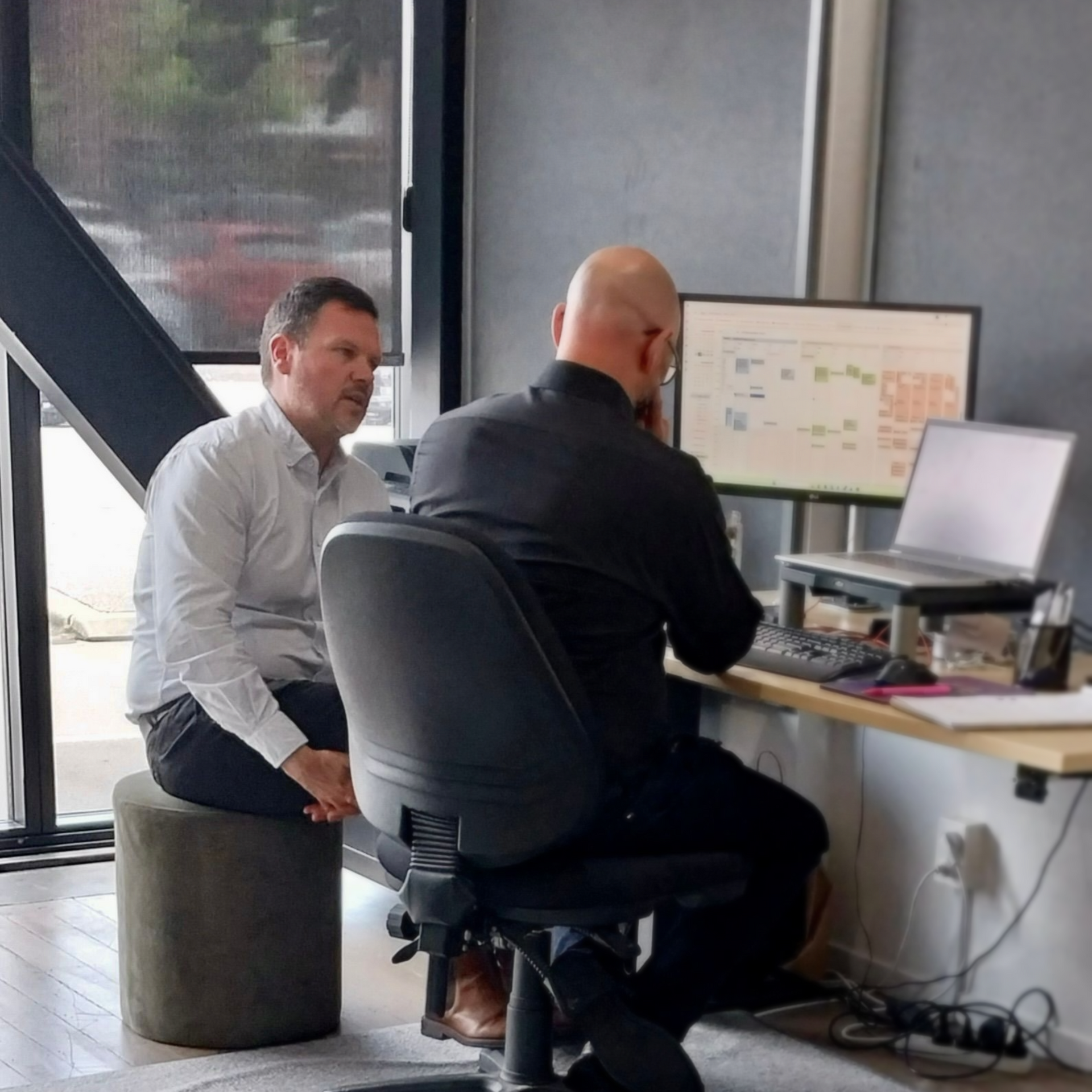
If your application looks like a potential match, a recruiter may contact you to discuss your background, career goals, availability and expectations in more detail. This conversation also allows you to ask questions and decide whether the role aligns with what you’re looking for. Not every applicant will receive a phone call. Depending on the number of applications and the role's requirements, recruiters may only contact candidates who meet the key criteria.
3. Suitable candidates are shortlisted
If the recruiter identifies suitable candidates, they may present a shortlist to the employer, outlining each person’s relevant experience and suitability for the position.
The employer then reviews the candidates and decides who they’d like to meet or progress further. Sometimes this happens quickly; other times, the employer may need to discuss the options internally, review additional applications or reconsider aspects of the role. This stage involves coordination between the recruiter and employer, so even when a suitable candidate has been identified, the next step may not happen immediately.
4. Interviews and next steps
If you’re selected to progress, the next stage depends on the employer and the position. It might involve one interview, several conversations, a practical assessment, a presentation or other role-specific checks.
Reference checks may also be required later in the process, particularly when an employer is seriously considering making an offer. Your recruiter should explain what to expect and help you prepare where possible. Take the opportunity to ask about the interview format, who you’ll be meeting and what the employer wants to learn. Reviewing the job advertisement and preparing examples that demonstrate your skills can also help you feel more confident.
Remember, an interview is an opportunity for both sides to assess whether the role and candidate are the right fit.
5. Why haven't you heard back yet?
Waiting for an update can be frustrating, particularly when you’re excited about an opportunity. However, a delay doesn't necessarily mean you've been unsuccessful.
An employer might be reviewing several candidates, waiting for feedback from interviewers, managing competing business priorities or working through internal approvals. Sometimes a decision-maker is unavailable, or the requirements of the role change during the process. Recruiters may also be waiting for information from their client before they can provide a meaningful update. While good communication matters, they can't always confirm an outcome before the employer has made a decision.
At Enterprise Recruitment, candidates who have progressed through our recruitment process will receive an email if they’re unsuccessful, so they’re not left wondering about the outcome. While not every applicant will progress to the next stage, Enterprise believes clear communication is an important part of treating candidates with respect.
Some temporary roles need to be filled quickly, while permanent or senior appointments may involve multiple stages and take considerably longer.
6. What can you do while you wait?
Although you can't control every part of the recruitment process, there are a few practical steps you can take.
- Follow up professionally. If an agreed timeframe has passed, send a short, polite message asking whether there’s an update. If no timeframe was given, it’s still reasonable to check in after a suitable interval.
- Keep applying for other opportunities. It’s natural to become invested in a particular role, but continuing your search keeps your options open while decisions are being made.
- Stay in touch with your recruiter. Let them know if your availability changes, you receive another offer or your circumstances affect your job search.
- Prepare for the next step. Review the job description, think of examples that demonstrate your skills and prepare questions you’d like to ask the employer.
If you’re unsure about where things stand, it’s okay to ask your recruiter for clarification. Clear communication helps everyone manage expectations.
Navigating your job search
There’s no single timeline for recruitment. Some roles progress from application to offer within days, while others take longer and involve several stages. Understanding the process can help you manage expectations and focus on what you can control: submitting a considered application, communicating openly and continuing to explore opportunities.
At Enterprise Recruitment, our recruiters work with candidates and employers throughout the hiring process. If you’re looking for your next role, have questions about an opportunity or would like advice on presenting your experience, get in touch with the Enterprise team. We’re here to help you navigate your job search and take the next step.