By Kurt McInerney, General Manager, Enterprise Recruitment
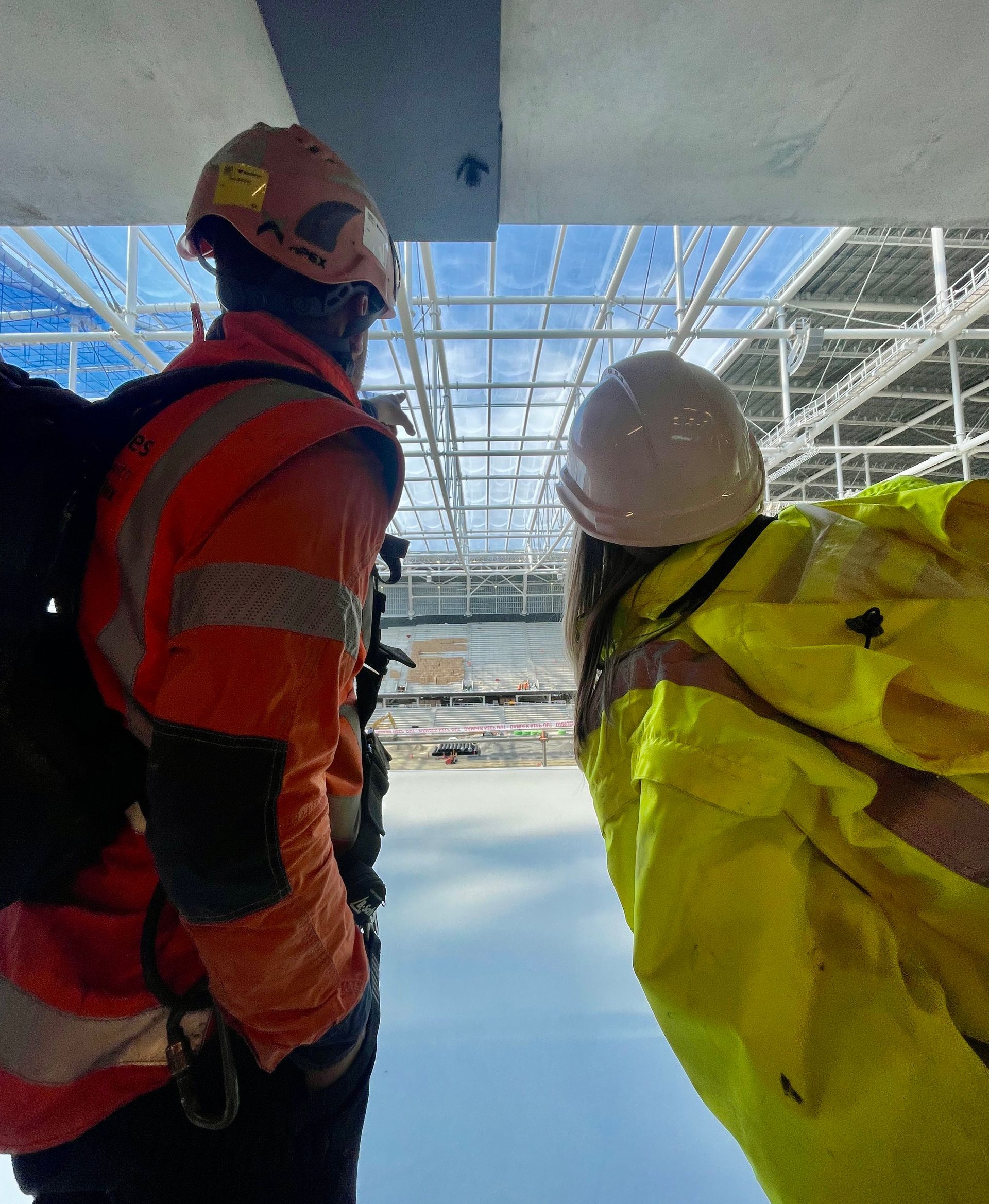
Stand on the Auckland waterfront right now, and you're looking at three major projects going up within walking distance of each other. That's not unusual for a growing city. What is unusual is how different these three projects actually are, in scale, in trade requirements, and in the kind of workforce each one needs to succeed. For anyone thinking about labour supply in this part of the country, that's worth understanding properly rather than lumping it all under one "Auckland construction boom" headline.
Wynyard Point: the long game
Te Ara Tukutuku is turning the old tank farm at the northern tip of Wynyard Quarter into what's being called the largest new park in the city centre in over a hundred years. Five hectares of parkland inside a wider ten-hectare regeneration, with mixed commercial and residential development to follow once the public space is done.
The timeline on this one runs ten to fifteen years. Earthworks and remediation crews have been on site since early 2025, and they'll be there for a good while yet before anyone's talking about buildings. This is the project that rewards businesses who treat civil and landscape work as an ongoing capability rather than a short-term contract. The teams who do well here are the ones built for the long haul, not assembled for a single phase.
Te Waharoa: the specialist problem
Down at the port, Te Waharoa is a new international cruise terminal due to open in early 2027, part of a $200 million precinct upgrade that includes a new wharf at Bledisloe North. It's a smaller project than the other two in terms of footprint, but it's not a smaller problem to staff.
Marine and port construction isn't general civil work. The trades involved wharf construction, marine engineering, specialised concrete and structural work in a tidal environment sit in a much narrower talent pool than roading or earthworks. When a project like this competes for people against everything else happening on the waterfront at the same time, it's the scarcity that bites, not the volume. Getting ahead of that means identifying these specialist gaps early, not discovering them when the project's already behind schedule.
Pūmanawa Downtown West: the sheer scale of it
Then there's Precinct Properties' redevelopment of the old Downtown Carpark site. Two towers, one of them set to be the second tallest structure in the city, a hotel, retail, and a laneway network stitching Britomart through to the Viaduct. Precinct's own numbers put more than 7,000 people working in the office tower alone once it's finished, and the build itself is expected to run close to seven years from demolition to completion.
This is the project where volume matters more than anything else. Multiple trades on site simultaneously, staged over years, moving from demolition through to high-rise fit-out. The challenge here isn't finding one type of specialist. It's having the depth on the bench to keep multiple work streams resourced at once, and staying resourced as the project moves through completely different phases of construction.
Three problems, one patch of the city
Here's what actually matters for anyone in workforce planning: these three projects are happening in the same small area of Auckland, on overlapping timelines, and they're not drawing from the same pool of people. One needs sustained civil capability for over a decade. One needs specialist marine trades that are genuinely hard to find. One needs sheer depth across multiple construction phases at once. A labour hire partner who only understands "construction" as a single category is going to struggle to service all three well.
That's the real story of Auckland's waterfront right now. It's not one boom. It's three, running side by side, each asking a different question about how you build and hold a workforce. Businesses that recognise which question applies to which project, and plan accordingly, will be the ones properly positioned as all three move through their next phase.
If you're weighing up workforce needs for a project on this waterfront, or anywhere else in the infrastructure and civil space, get in touch with
Blair, our Infrastructure Client Solutions Manager, to talk through what your resourcing plan should actually look like.