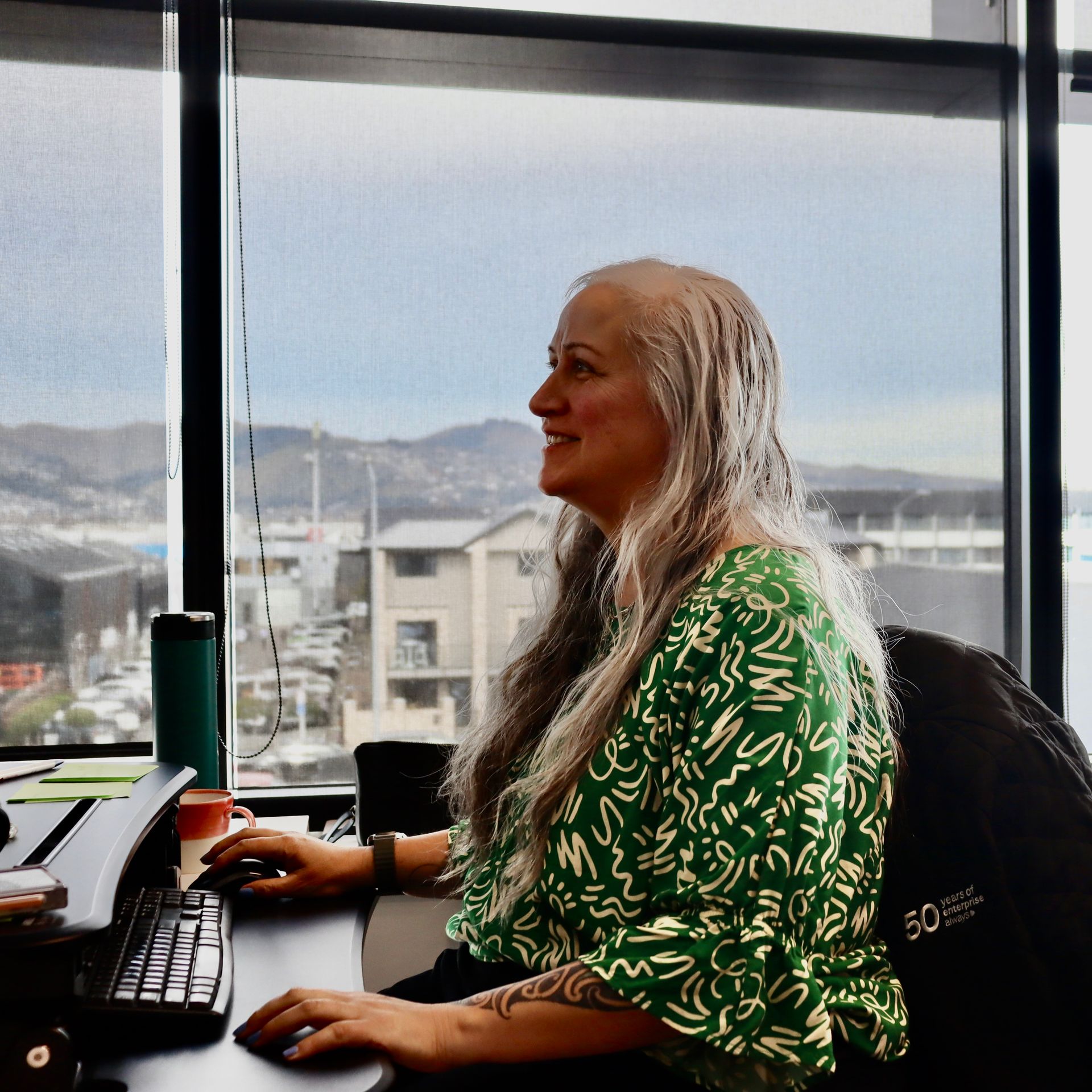
Insights from Dean at Enterprise Recruitment
After 24 years in temp industrial recruitment with Enterprise, I’ve seen a lot change in the industry, but at the same time, the fundamentals are still very much the same.
Technology, client expectations, and market conditions have all evolved significantly over that time. But recruitment is still, at its core, a people business built on trust, communication, and relationships that last.
How the industrial recruitment industry has changed
The biggest shift over the last two decades has been technology.
When I first started, everything was manual: paper CVs, landlines, newspaper advertising, and a lot of time spent chasing people just to confirm availability. It was slower, more reactive, and far more hands-on.
Now, recruitment is driven by integrated systems, live databases, automation tools, and increasingly AI-supported features. CVs can be screened in seconds, candidates matched to roles almost instantly, and job adverts can be generated and distributed across multiple platforms at once. It’s made the process faster and far more data-driven, but it has also raised expectations from both clients and candidates around speed, accuracy, and communication.
At the same time, I’ve seen businesses operating a lot leaner than in previous years. With ongoing economic pressure, companies are more cautious with headcount and increasingly focused on productivity and flexibility.
That’s where temp recruitment has become even more important. It allows businesses to scale up and down quickly without overcommitting and ensures operations can keep moving when demand shifts.
What hasn’t changed: recruitment is still about people
Despite all the changes in technology and market conditions, the fundamentals haven’t shifted. Clients still value honesty, reliability, and a recruiter who understands their operation. Candidates still want clear communication, fair pay, and to feel they’re being properly looked after.
No system or tool replaces that.
Recruitment is still built on relationships, and the best outcomes always come from strong communication and trust on both sides.

What experience teaches you about the industrial market
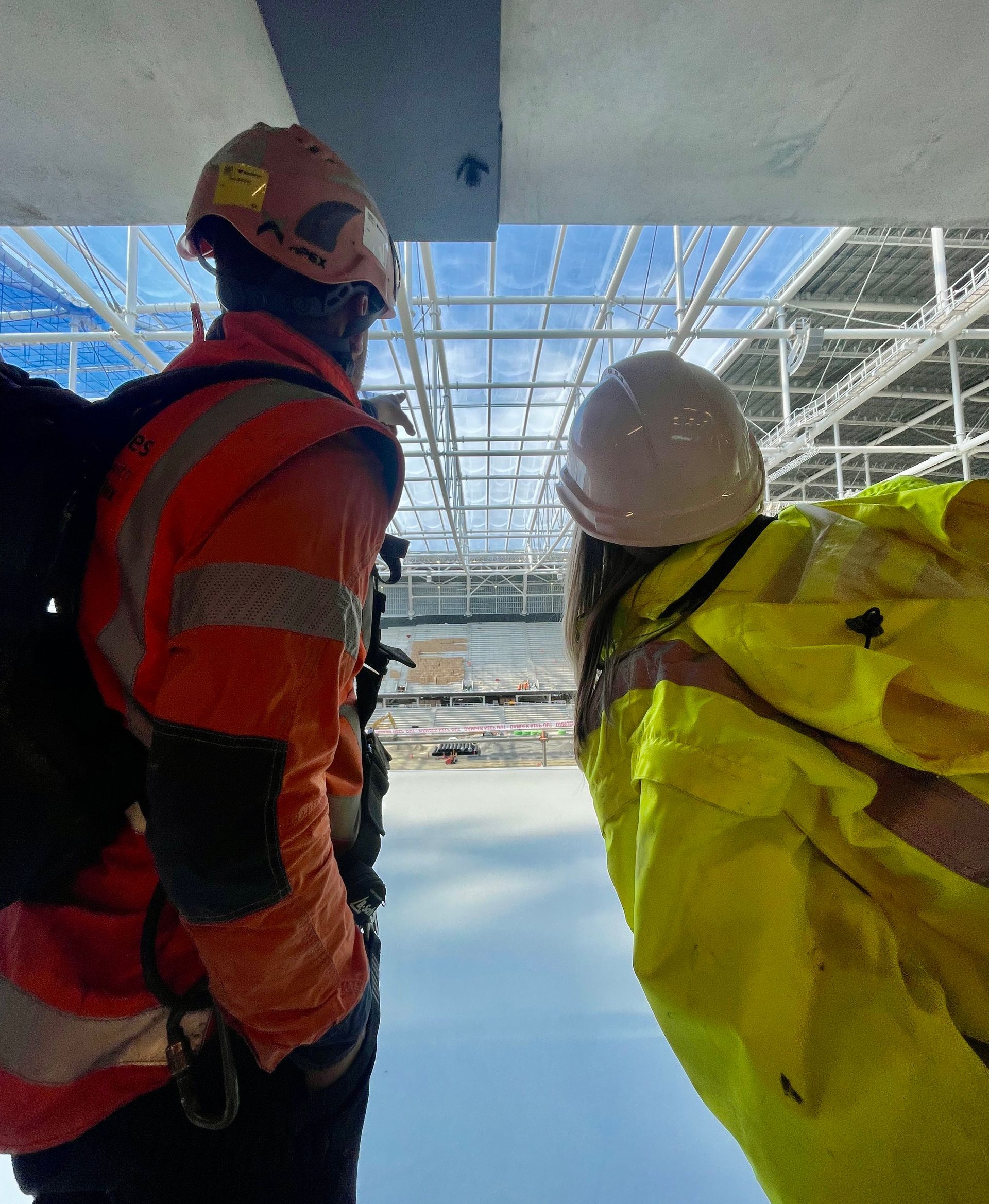
One thing you quickly learn in industrial recruitment is that it’s not just about ticking boxes on skills and experience. On paper, many candidates can do the job. But not everyone will succeed in every environment. Every site has its own pace, leadership style, expectations, and team culture. Some workplaces need people who can just get on and get the job done independently. Others need more communication, initiative, or adaptability.
Early in your career, it’s easy to focus on licences, experience, and availability. But over time, you realise that attitude, reliability, and cultural fit are just as important, if not more so.
Getting that right can be the difference between someone lasting a week or becoming a long-term, valued employee.
What still motivates me after 24 years
What’s kept me in the industry for 24 years is simple: I still want to do the best for both my clients and candidates. It’s never just about filling a role. It’s about building strong relationships on both sides and delivering outcomes that work long-term. I’m still working with clients and candidates I first connected with when I started at Enterprise, which says a lot about the importance of those relationships.
Even now, I still have candidates come back to me years later asking for help with their next opportunity. That’s something I take real pride in.
For me, that’s what makes the job worthwhile, knowing people trust you enough to come back and rely on you to get it right again.
Final thoughts
The industrial recruitment industry has changed significantly over the last 24 years, especially due to technological and market pressures.
But the fundamentals haven’t changed.
It still comes down to people, relationships, and understanding what “fit” really looks like beyond just a CV.
And after 24 years, that’s still what drives me every day.